Public identity for Authors

Make your author identity clear.

Help readers connect your books, publisher records and biography to the right author.

Published AuthorsSelf-Published WritersAcademicsLiterary Agents

Your name. A clearer presence.

From scattered sources to a connected identity.

After · Connected presenceBefore · Standard results
Example · Eleanor Hart
Someone searches your name.

Your first impression starts here.

Eleanor Hart author
BeforeScattered search results

About 12,400 results

Official website › eleanorhart

Eleanor Hart — official website

Biography, selected work, latest updates and contact information.

Books › profile

Eleanor Hart (@eleanorhart)

Public updates, projects and media from Eleanor Hart.

directory.example › people

Eleanor Hart — profile and work

Explore credits, appearances and related public references.
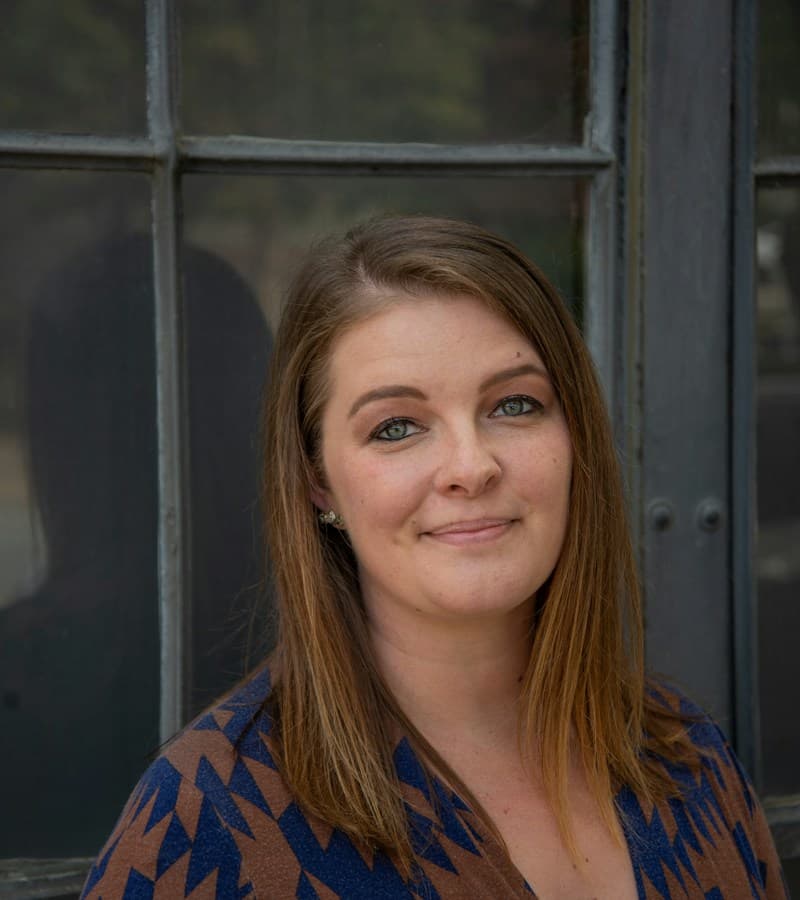
Eleanor Hart author
AfterA connected author identity

Eleanor Hart

Author

Sample author Eleanor Hart
XEleanor Hart (@eleanorhart) / XPublic profile and updatesx.com
6:24YouTube · Eleanor Hart — Author Talk
Occupation
Novelist
Based in
Toronto, Canada

Books

The Last OrchardNovel · 2026

A Quiet HarbourNovel · 2023

View more

Overview

Eleanor Hart is a novelist known for character-led literary fiction about family, place and the stories people inherit.

Occupation
Novelist
Based in
Toronto, Canada
Profiles
WebsiteBooksInstagramX
Book a Free Consultation

15 minutes to discuss your identity gap and next steps.

See what connects your name to your books

Understand how publisher references, book databases, ISBN records, and your website connect your works to one author identity.

Priority signal

Goodreads and WorldCat coverage

Review relevant Goodreads and WorldCat records. Check that each book belongs to the right author.

Priority signal

ISBN linkage in Wikidata

A Wikidata author entry with per-work entities linked by ISBN and publisher is a major panel accelerator.

Supporting signal

Wikipedia stub quality warning

We assess whether your Wikipedia page is robust or likely too weak to help, and provide a quality-improvement path.

Supporting signal

Book schema and author schema

Your site should use Person and Book schema with sameAs and ISBN references to reinforce one connected entity.

From uncertainty to clarity

Bring your identity together.

See how your website, work and profiles can tell one consistent story.

Illustrative pathway

Debut Author

Before

One published title with no Wikidata linkage and no claimed author profile.

After

Illustrative target: an author entity connected consistently to the published work and its identifiers.

Clearer identityConnected evidence
Illustrative pathway

Self-Published Author

Before

Multiple listings but no shared entity, so books were treated as isolated.

After

Unified author entity with ISBN linkage surfaced full bibliography.

Clearer identityConnected evidence
Illustrative pathway

Academic Author

Before

Strong scholar footprint but no Wikidata or schema loop.

After

ORCID, Wikidata, and university schema loop produced richer panel output.

Clearer identityConnected evidence
Your author, unfolding

Small beginnings.
A richer presence.

See how a first appearance can grow into a fuller, better-connected picture of your author.

Eleanor Hart · Example journey
✦

A first sign of recognition.

Your name, role and introduction begin to appear together. A small panel can be the start of a much clearer presence.

Search presenceFirst recognition
Eleanor Hart
Mini panel

Eleanor Hart

Author

Sample author Eleanor Hart
Official website

Eleanor Hart is a novelist known for character-led literary fiction about family, place and the stories people inherit.

AuthorTHE LAST ORCHARD
Recognition starts with the essentials.

A name. A role. A clear introduction.

The essentialsName · role · official website
First appearance
Keep building: website & schema → profiles → supporting evidence

Two months is a checkpoint after first appearance. Google determines when and how a panel develops.

Clear answers. A clearer identity.

Questions from authors

Understand AI answers, search identity and the gaps worth fixing first.

Talk to our team

15 answers

What is search identity for a author?

The basics

Search identity is how public information connects your name to your work, roles and official profiles. It helps readers, publishers and event organisers distinguish you from other people. For your industry, useful evidence includes publisher author pages, book records, library catalogues and your official bibliography. It is broader than where one page ranks.

How is an AI answer different from search identity?

The basics

An AI answer is a generated response to a particular question. Search identity is the connected public evidence about who you are. An answer can mention you, cite a source or omit you entirely; that does not by itself establish or disprove your identity. Check whether it describes your work accurately, which sources it cites and when it was observed.

What does an identity gap look like in my industry?

The basics

An identity gap is a missing or conflicting connection between your real work and the public evidence describing it. For example, book editions, pen names and publisher biographies do not resolve to the same author. The practical task is to identify the specific mismatch, correct the source and connect the relevant records.

How are structured identity and a Knowledge Panel different?

The basics

Structured identity organises your supported facts and relationships through consistent content, linked profiles and appropriate structured data. A Google Knowledge Panel is a search feature Google assembles from public sources. A panel can be one visible outcome of recognition, while the underlying identity remains useful even when no panel appears.

Which sources should a author prioritise?

Your industry

Begin with publisher author pages, book records, library catalogues and your official bibliography. Compare your public name, current role and important work across those records. Fix sources you control first, then request supported corrections from other publishers. A clear, attributable source is more useful than many copied or contradictory profiles.

How should I connect editions, ISBNs and translations to my identity?

Your industry

Keep a clear bibliography that distinguishes a work from its editions and translations. Link publisher or catalogue records where available, and preserve correct author credits. An ISBN identifies a particular publication edition or format, not the author as a person.

Can self-published authors build a structured identity?

Your industry

Yes. An official author website, accurate book metadata, consistent retail author profiles and genuine independent reviews can provide a starting point. Self-publication alone neither guarantees nor rules out a Knowledge Panel.

What does the free identity check tell me?

Getting started

It provides a starting view of the public identity match and evidence the assessment can verify, including available website, profile and structured-data signals. Review the sources and any ambiguity before acting. An unavailable source is unmeasured, and the report is a baseline rather than a complete record of everything on the web.

What is the difference between Pro and working with your Identity Engineer team?

Getting started

Pro is a guided workspace at $79.99 USD per month after the free trial. You review and publish prepared updates, with monitoring and next steps in your workspace. Our Identity Engineer team carries out an agreed, one-time Knowledge Panel project for you, starting at $899. A consultation helps establish your scope before you choose.

How long does the Identity Engineer service take, and what is the refund promise?

Getting started

If our Identity Engineer team does not get your agreed Google Knowledge Panel live within 4–7 weeks, we will refund your full project payment. Your written quote confirms the project start date, delivery window, and what counts as a live panel before you pay. This promise applies to the agreed Identity Engineer project; it does not apply to the Pro subscription.

Will structured data guarantee AI mentions, citations or a Knowledge Panel?

Getting started

Structured data should describe the same facts visitors can read on your pages. It is one part of making your identity clear, alongside accessible content and supporting sources. It does not purchase an AI recommendation or control what Google displays. Assess AI answers, source citations and panel appearances separately, using dated observations.

How do I measure progress after fixing my identity gap?

Getting started

Keep a dated baseline of your website, profiles and supporting records. Recheck the exact conflicts you corrected, then compare identity accuracy, cited sources and any panel changes separately. For a author, progress starts with correct attribution of your work; one search result or AI response is only one observation.

Do I need a traditional publisher to get a panel?

Your industry

No. Self-published authors can qualify with strong ISBN records, catalog coverage, and structured entity links.

Will my books appear in the panel?

Your industry

When works are correctly linked in Wikidata and ISBN data is clean, Google can surface books directly in the panel.

I write under a pen name. Does that affect eligibility?

Your industry

Pen names are supported. We build the entity under the published name and connect works without exposing private identity.

Start with clarity

Turn a catalogue of books into one recognisable author identity

Start with a free evidence check, then decide whether you want our help strengthening the gaps.